Renewable Energy
What is Community-Centric Renewable Energy?
SvachSakthi•May 18, 2026•10 min read
Community-centric renewable energy is transforming the way electricity is generated and shared. By combining solar power, battery storage, and smart energy management, local communities can reduce costs, improve energy reliability, and build a more sustainable future.
For decades, energy in India has flowed in one direction: from large, centralized power plants, down long transmission lines, into homes and businesses that have little say in how that power is generated or priced. For rural and semi-urban communities sitting at the far end of that line, this has meant unreliable supply, high effective costs, and almost no participation in the clean energy transition happening elsewhere in the country. Community-centric renewable energy flips this model. Instead of communities being passive consumers of electricity generated far away, they become active participants — and often owners — of the energy infrastructure itself.
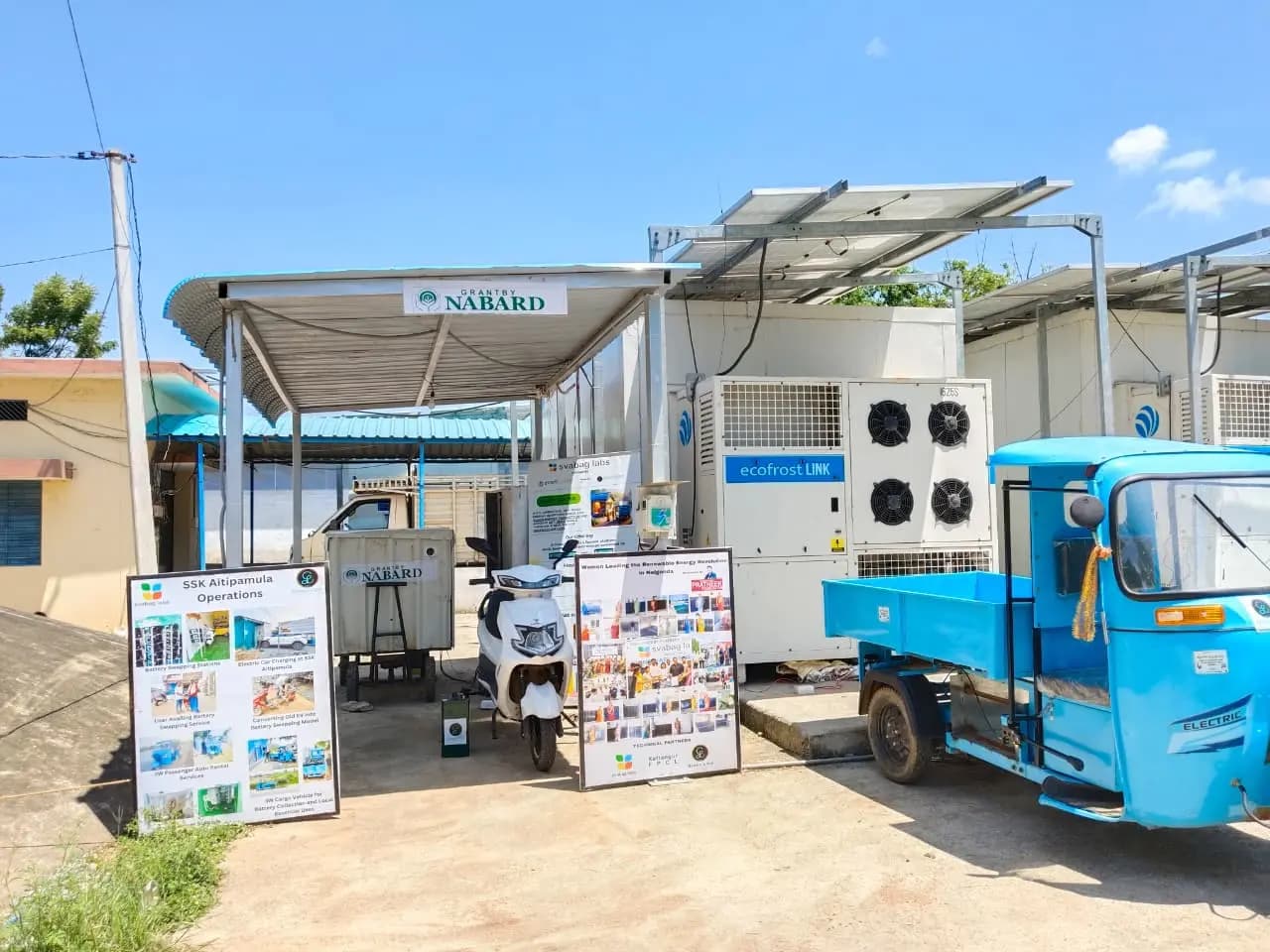
At its core, this approach is simple: generate clean energy close to where it will be used, store it efficiently, and distribute it through local, community-anchored infrastructure. In practice, this looks like rooftop solar panels on homes and small businesses feeding into local battery storage systems, which then power everything from household appliances to electric two- and three-wheelers through swap-and-go battery networks. The energy doesn't have to travel hundreds of kilometers to reach the people who need it, and the value it creates doesn't leave the community either.
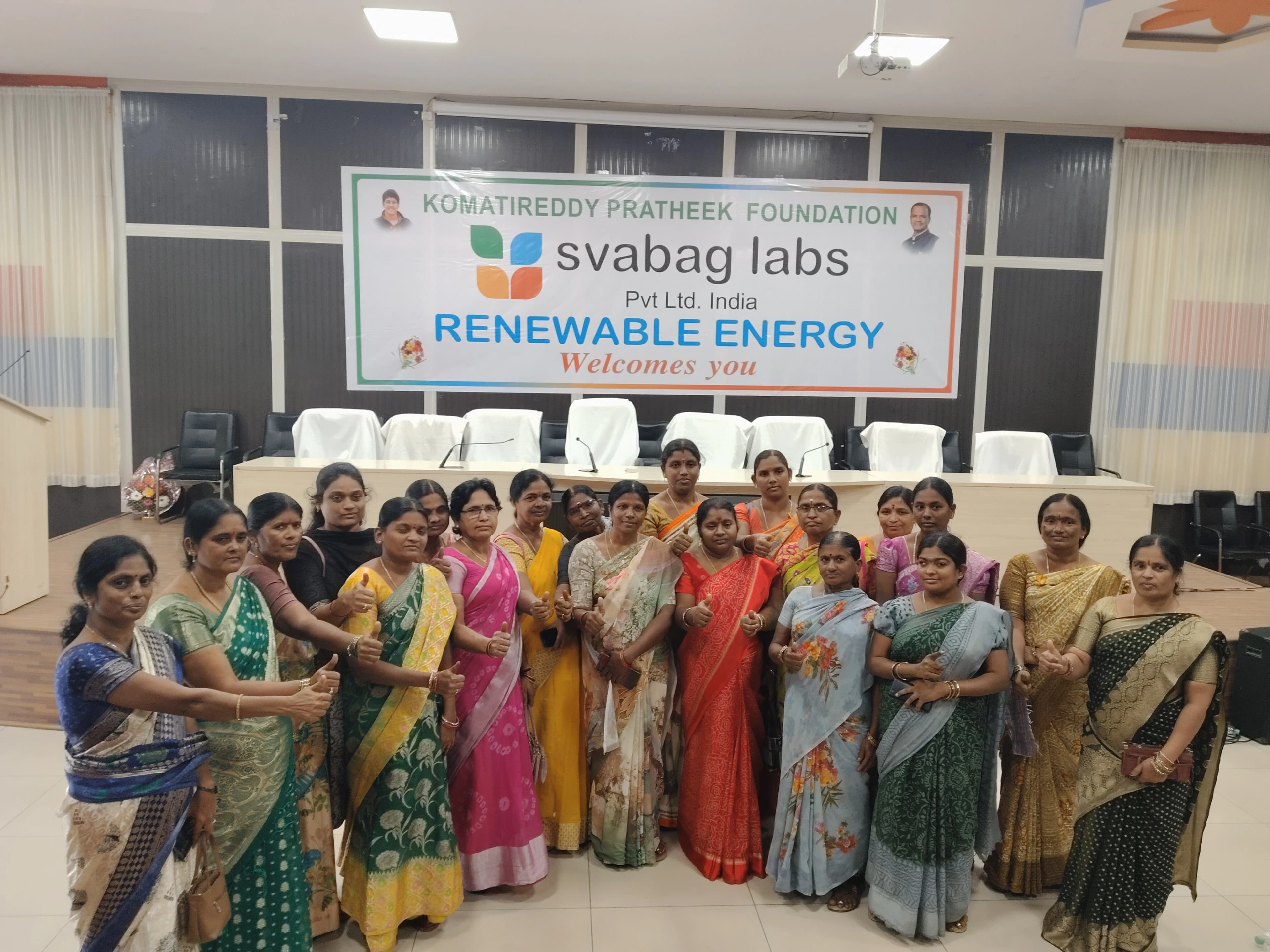
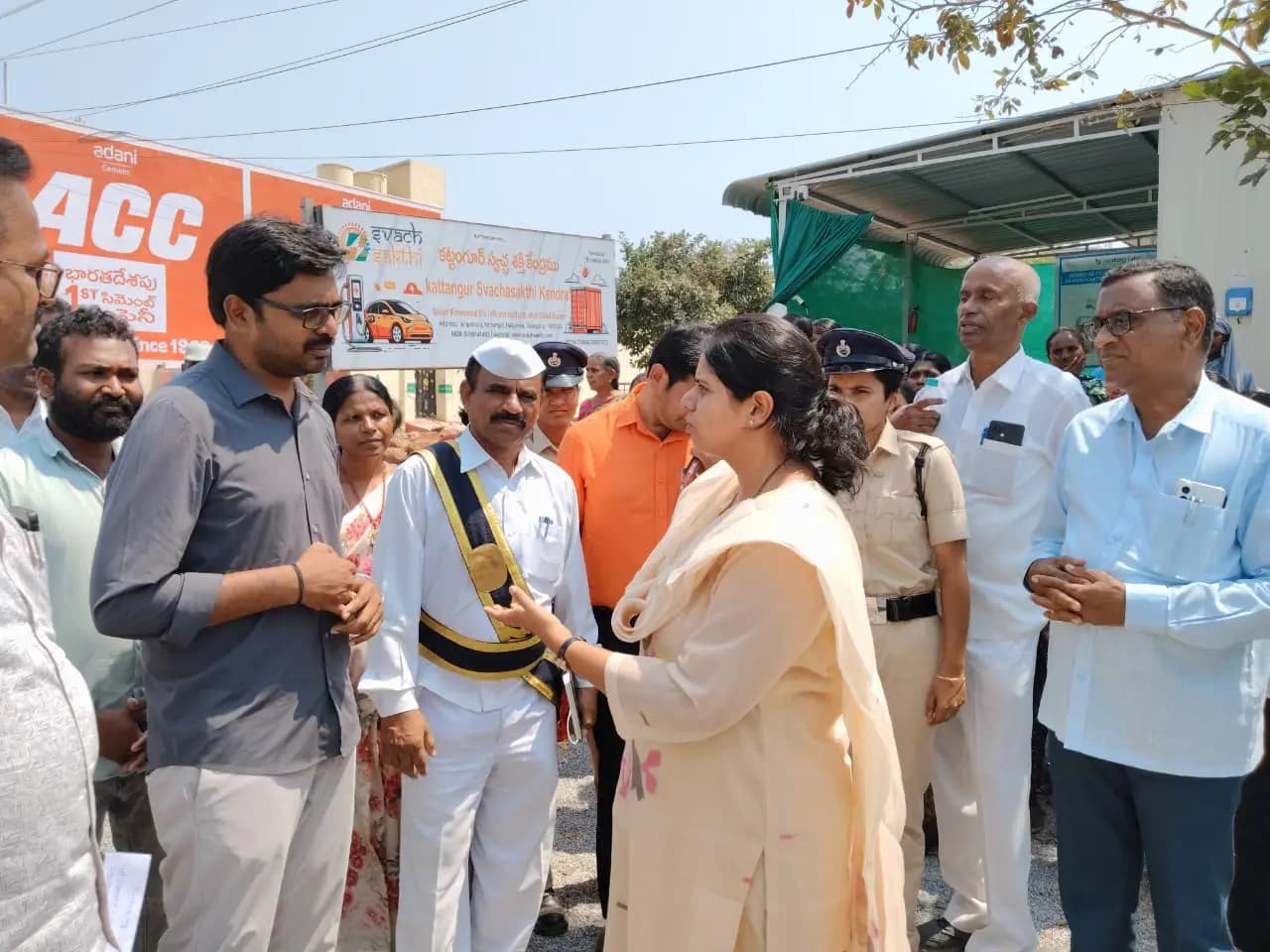
This is the model SvachSakthi, powered by Svabag Labs, has been building across villages in Telangana and beyond. Rural households with rooftop solar capacity can generate more clean energy than they consume. Rather than that surplus going to waste or being sold back to the grid at a fraction of its value, it's captured in smart battery packs and routed through local distribution points — what we call Svach Kendras — to power homes, small businesses, cold storage units, and electric vehicles in the same community. Households that generate surplus energy earn a share of the value it creates, turning rooftops into a source of passive income rather than just a utility fixture.
The impact of this model goes well beyond electricity bills. For farmers and small business owners, reliable local power means cold storage for perishable produce, uninterrupted operating hours, and lower dependence on diesel generators. For electric mobility users, a two-minute battery swap replaces hours of waiting at a charging point, making clean transportation genuinely practical for daily use. For the broader community, decentralized energy infrastructure creates local jobs — from managing swap stations to maintaining battery banks — building skills and livelihoods that didn't exist before.
There's also a resilience dimension that's easy to overlook. Centralized grids are vulnerable to long-distance transmission losses, weather disruptions, and infrastructure bottlenecks that disproportionately affect remote areas. A community-centric model, by contrast, keeps generation, storage, and distribution close together, which means less energy lost in transit and faster recovery when something does go wrong. Communities aren't waiting on decisions made hundreds of kilometers away; they have direct, local control over their own power supply.
None of this happens without trust and hands-on groundwork. Building this kind of ecosystem meant working directly with Farmer Producer Companies and grassroots partners, including support from organizations like the Selco Foundation, to pilot the model in villages such as Aitipamula, Nakrekal, Vallala, and Tatikal in Telangana. Every new location means training local operators, integrating existing solar assets, and adapting the swap network to the specific rhythms of that community — how far people travel, what vehicles they use, and when demand for power peaks.
Community-centric renewable energy isn't a rejection of large-scale solar or wind power — those remain essential to India's net-zero goals. But for the millions of households and small enterprises that centralized infrastructure has been slow to reach, decentralized, community-owned systems offer something the grid alone cannot: energy that is generated locally, shared fairly, and controlled by the people who depend on it every day.
At SvachSakthi, we see this as more than an energy model — it's a blueprint for inclusive economic development. As we expand across more districts and states, the goal remains the same: connect renewable energy generation, storage, and distribution through technology, and put the value that creates directly back into the hands of the communities producing it.