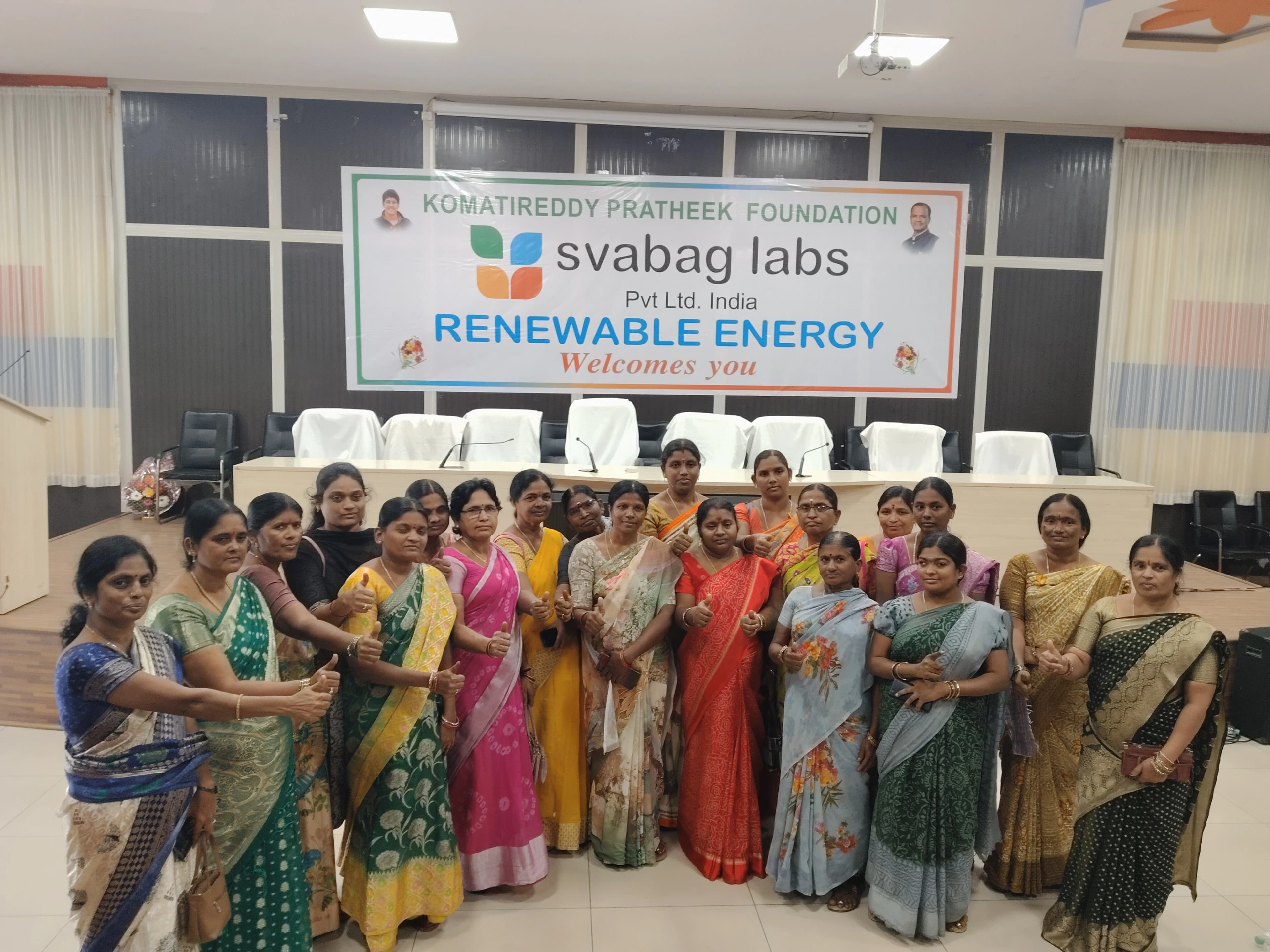
Renewable Energy
What is Community-Centric Renewable Energy?
Learn how community-centric renewable energy empowers villages, businesses, and individuals through decentralized clean energy solutions.
10 min readRead More →

Energy Storage
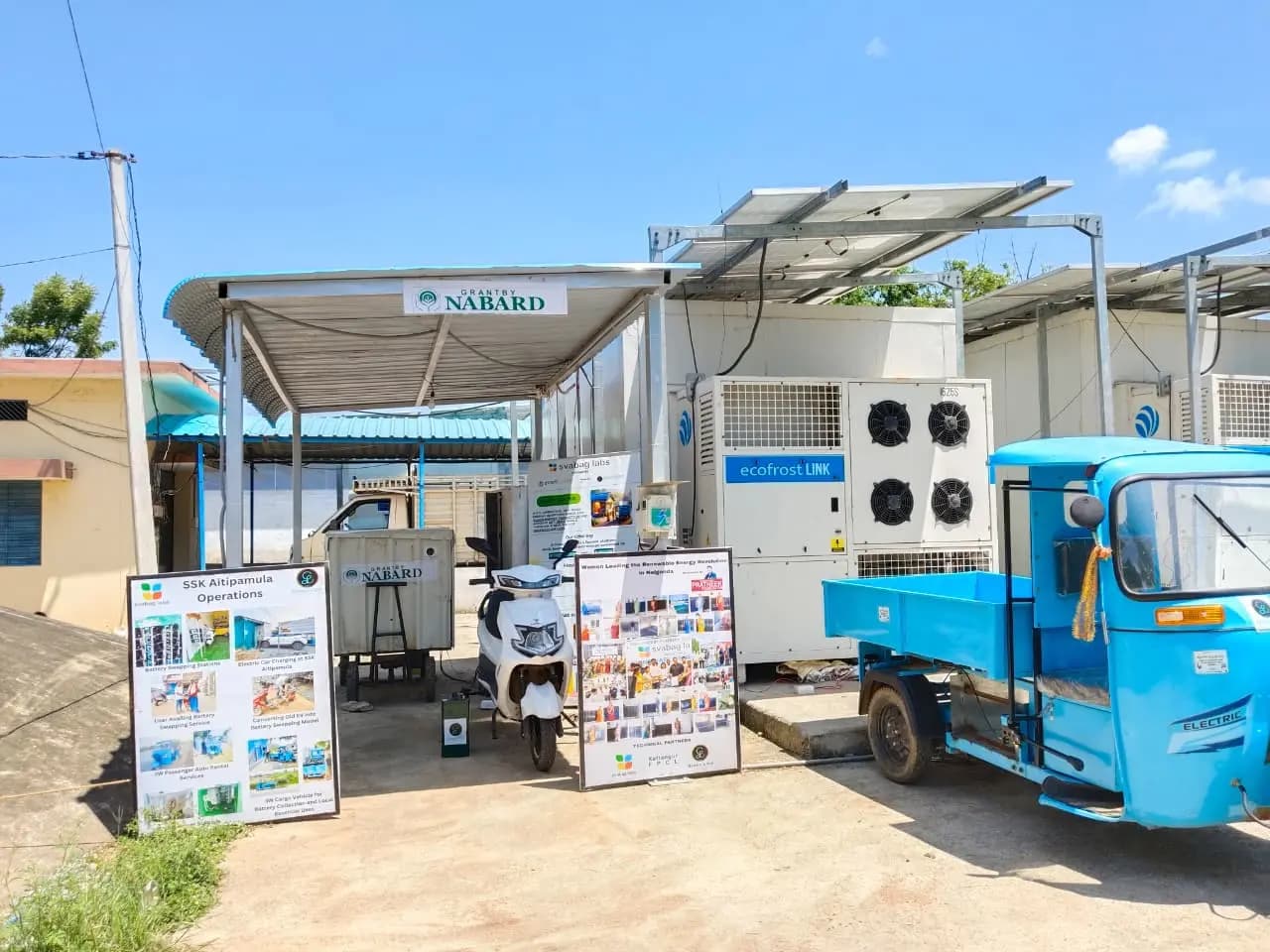
Renewable energy sources like solar and wind are transforming the way we generate power, but their availability depends on natural conditions. Energy storage plays a crucial role in making clean energy more reliable and accessible, turning an intermittent resource into one communities and businesses can depend on around the clock.
Solar panels generate the most power at midday, when the sun is strongest — but demand for electricity often peaks in the early morning and evening, when panels are producing little or nothing at all. This mismatch between when clean energy is generated and when it's actually needed is one of the biggest barriers to renewable energy adoption, especially in rural and off-grid areas where there's no large grid to smooth out the gap. Energy storage is what closes that gap. Without it, renewable energy remains a source you can only use while the sun is shining or the wind is blowing. With it, the same solar panel can power a home late at night, run a cold storage unit through a cloudy afternoon, or swap into an electric vehicle at any hour of the day.
Battery storage technology has advanced significantly over the past decade, but access to that technology has remained uneven. Large-scale battery installations are increasingly common in cities and industrial zones, while rural communities and small businesses are often left without practical, affordable storage options. This is precisely the gap SvachSakthi, powered by Svabag Labs, set out to address — building a storage network designed specifically around the realities of rural and semi-urban life in India, rather than adapting a city-first model after the fact.
Our approach centers on smart, portable battery packs that sit at the intersection of three different needs: home power backup, EV charging, and productive-use applications like cold storage. A single battery pack, once charged from solar generation, can be swapped between a household power backup unit, a two- or three-wheeler EV, and a Svach Kendra distribution point — all without needing separate, dedicated infrastructure for each use case. This flexibility means communities get far more value out of every unit of storage capacity than a fixed, single-purpose battery installation would provide.
Real-time monitoring is what makes this system genuinely smart rather than just decentralized. Each battery pack in the network is tracked for charge level, health, location, and usage pattern, letting the system route energy where it's needed most efficiently and flag maintenance needs before they become failures. For a network spread across multiple villages and districts, this kind of visibility is what keeps the whole system reliable at scale, rather than depending on manual checks that don't scale past a handful of locations.
The applications this unlocks go beyond simply keeping the lights on. Battery-backed cold storage lets farmers hold perishable produce longer, reducing post-harvest losses and giving them more flexibility in when and where they sell. Reliable backup power lets small businesses stay open through grid outages that would otherwise cost them a day's revenue. And for households and mobility users, a charged battery swap takes minutes rather than the hours a traditional EV charging session requires — a difference that matters enormously for anyone using their vehicle for daily income, like local delivery or ride services.
Energy storage also changes the economics of solar generation itself. A household with rooftop solar but no storage can only use — or sell — power as it's generated. Add battery storage into the mix, and that same household can bank surplus energy and route it through the community network when it's most valuable, whether that's powering a neighbor's home in the evening or charging an EV battery overnight. This is what transforms rooftop solar from a bill-reduction tool into an income-generating asset, and it's central to how the SvachSakthi network creates value for the people generating the energy, not just the people consuming it.
Looking ahead, we see energy storage becoming the backbone of how rural and semi-urban India accesses clean power — not as a supplement to the grid, but as core infrastructure in its own right. As battery technology continues to improve in cost and capacity, and as networks like ours continue to expand across new districts and states, storage will keep closing the gap between when renewable energy is generated and when communities actually need it. That gap is exactly where the future of accessible, reliable clean energy is being built.
Learn how community-centric renewable energy empowers villages, businesses, and individuals through decentralized clean energy solutions.
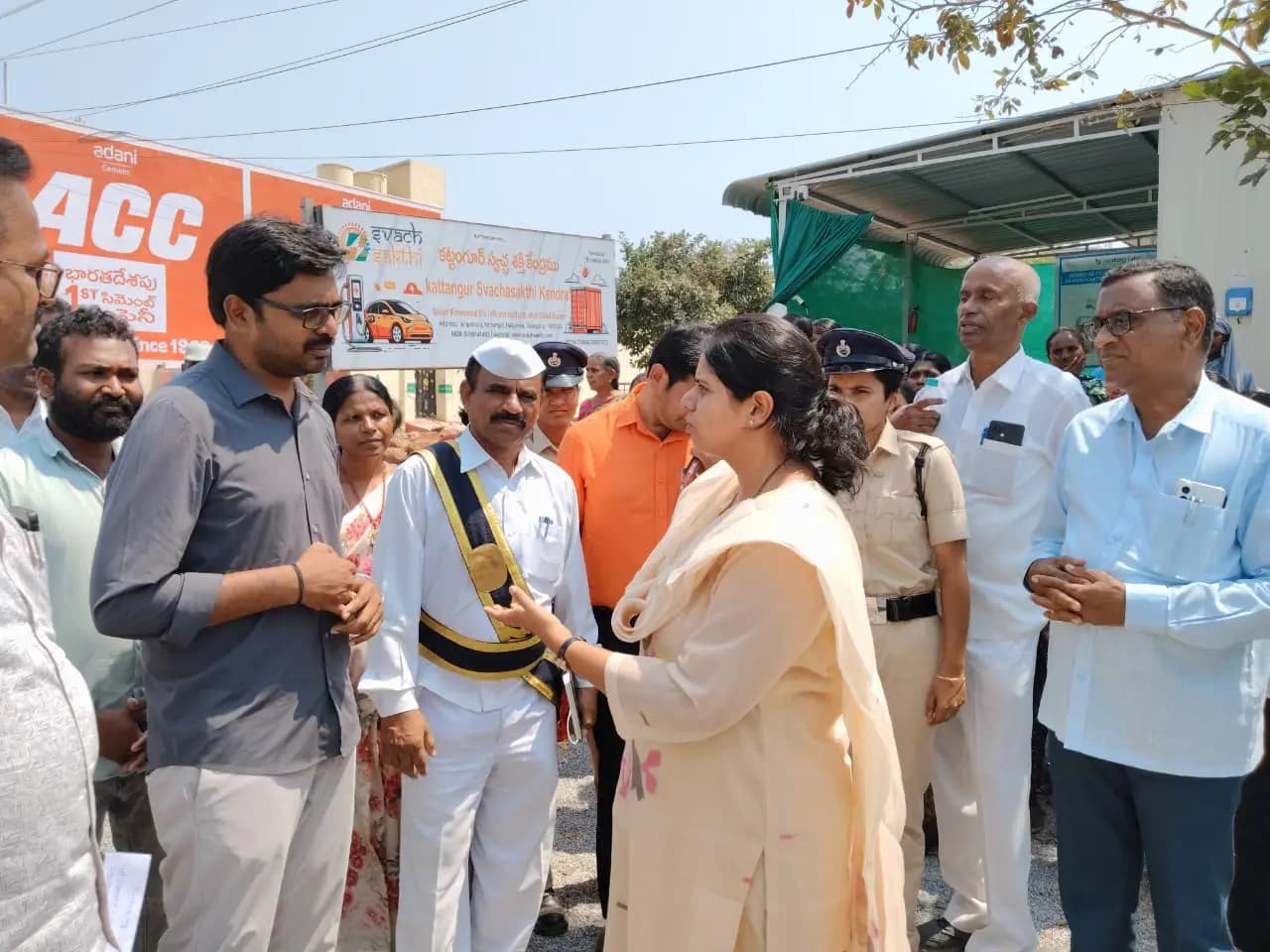
Discover how decentralized energy systems are improving energy access, reliability, and sustainability by bringing clean power closer to communities.